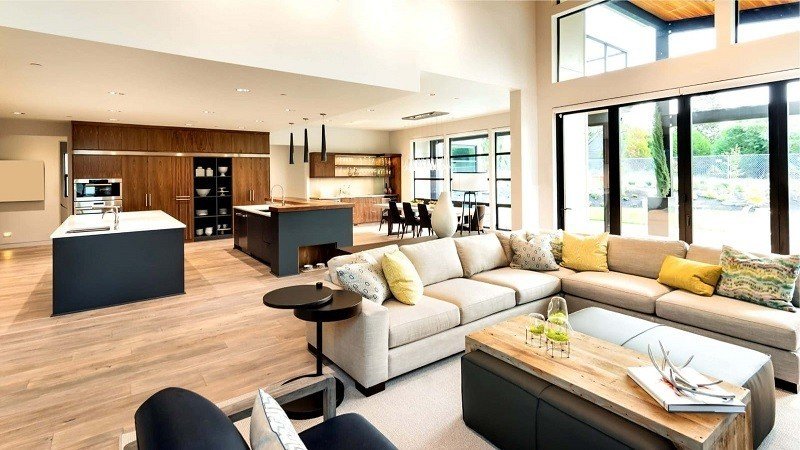
In the world of home decor, design mode represents a creative approach to transforming houses through modern and practical interior design. It changes the default and ordinary looks of rooms into something beautiful and functional. A home does not have to be expensive or luxurious to feel beautiful. In many cases, the right furniture arrangement, better lighting, useful storage, and a thoughtful color scheme can make a bigger difference than costly decorations. Good interior design is about understanding a space and making it work naturally for the people who live there.
Interior design designmode24 follows this practical idea by bringing together style, comfort, functionality, and smart space planning. Instead of treating decoration as the only goal, it focuses on creating rooms that look inviting while remaining comfortable and useful in everyday life.
What Is Modern Interior Design?
Modern interior design designmode24 is a practical approach to planning and improving home interiors. It considers the way a room is used before deciding how it should look. Furniture placement, lighting, storage, colors, materials, movement, and room purpose all play a role in the overall design.
For example, a living room used for family gatherings needs a different arrangement from a formal sitting room. Similarly, a home office needs enough workspace and suitable lighting, while a bedroom should prioritize comfort and organization.
The designmode24 concept can be applied to almost any area of a home, including living rooms, bedrooms, kitchens, bathrooms, dining spaces, offices, and outdoor areas. It is not a formal historical design movement such as Bauhaus or Art Deco. Rather, it is a practical concept that combines modern decorating ideas with functionality, space management, and home improvement.
Start With Function Before Decoration
One of the simplest ways to improve an interior is to think about function first. Before choosing artwork, cushions, or decorative accessories, decide what the room needs to accomplish.
Look at how people move through the space and identify areas that feel crowded or difficult to use. Removing an unnecessary piece of furniture can sometimes improve a room more than adding something new.
In smaller homes, vertical space can be especially valuable. Tall shelves, wall-mounted cabinets, and bookcases provide additional storage without taking up too much floor space. Keeping pathways clear can also make a room feel more open and comfortable.
Choose Furniture That Fits Your Space
Furniture should be selected according to the room’s size rather than simply based on appearance. A large sofa may look impressive but can quickly overwhelm a compact living room. On the other hand, very small furniture can make a large room feel empty.
Measure the room before making major purchases. Check the walls, doors, windows, and available floor space. A useful trick is to mark the approximate dimensions of furniture on the floor using removable tape. This helps you visualize the layout before bringing anything home.
The aim is to create a balanced space rather than filling every available corner. A well-planned room should have enough open space for comfortable movement.
Make Lighting Part of the Design
Lighting can change the mood and appearance of an entire room. Natural daylight can make a space feel fresh and spacious, while artificial lighting keeps it functional in the evening.
A balanced interior usually benefits from more than one type of lighting. General lighting illuminates the room, task lighting helps with activities such as reading or cooking, and accent lighting can highlight artwork, shelves, plants, or architectural details.
Furniture placement should also take natural light into account. A desk near a window can provide pleasant daylight during working hours, but a computer screen positioned directly against strong sunlight may create uncomfortable glare.
Create a Balanced Color and Material Palette
Color gives a room much of its personality. Lighter shades such as white, beige, cream, and soft gray can help create an airy feeling, particularly in smaller rooms. Deeper colors can introduce warmth and contrast when used in the right areas.
Rather than choosing every color separately, create a simple palette that works throughout the room. Neutral walls and larger furniture pieces can provide a calm foundation, while brighter colors can appear through cushions, artwork, rugs, curtains, or decorative objects.
Materials are equally important. Wood adds warmth, glass can create a lighter appearance, while stone, metal, fabric, and natural fibers bring different textures. Mixing materials carefully can make an interior feel richer without making it visually busy.
Simple designmode24 Ideas That Make a Difference
Interior improvement does not always require a major project. Small changes can produce noticeable results when they are chosen carefully.
For example, positioning curtain rods slightly above the window frame can make windows appear taller and give the room a more spacious appearance. Similarly, a carefully selected rug can define a seating area and make furniture feel more connected.
Plants can also bring freshness into an interior. Instead of placing many small plants throughout a room, consider using one larger plant as a focal point. Always choose plants according to the available natural light and the amount of maintenance you can provide.
Storage is another area where small improvements can have a major impact. Baskets, wall shelves, tall cabinets, and under-bed storage can keep everyday belongings organized while reducing visible clutter.
Applying Interior Design designmode24 Throughout the Home
The living room should be arranged around the activities that happen there. Start with the main furniture and make sure there is enough space to move comfortably between seating, tables, doors, and other areas. Once the layout feels right, add personality through cushions, rugs, artwork, lamps, and carefully selected accessories.
Bedrooms should feel comfortable and organized. Since the bed is usually the largest piece, its position should be considered first. Soft bedding, curtains, rugs, and bedside lighting can add warmth, while baskets and storage furniture can help keep personal belongings under control.
Kitchens need to combine appearance with everyday convenience. Frequently used appliances, preparation areas, cooking equipment, and storage should be positioned according to how the kitchen is actually used. Replacing cabinet handles or reorganizing open shelves can provide a simple refresh without replacing the entire kitchen.
Bathrooms can benefit from wall-mounted shelves, suitable mirrors, coordinated towels, and practical lighting. A home office should focus on comfort and productivity, with attention to desk height, chair support, monitor position, cable management, storage, and natural light.
Smart Ideas for Small Spaces
Small rooms often become difficult to use when too many items are added. Instead of trying to fit everything into the available space, choose pieces that serve more than one purpose.
An ottoman can provide both seating and storage, while a wall-mounted desk can create a workspace without taking up much floor area. Tall shelves can use unused wall height, and mirrors may help create a more open visual effect.
Most importantly, leave enough room for movement. A room can technically contain every necessary item and still feel uncomfortable if the layout is overcrowded.
Common Interior Design Mistakes to Avoid
Buying furniture without measuring is one of the most common mistakes. Always check dimensions before making a major purchase, especially for sofas, beds, dining tables, and cabinets.
Another mistake is following every design trend. Trends can provide inspiration, but they should not determine the entire character of your home. Choose ideas that suit your lifestyle, preferences, and practical needs.
Too much decoration can also make a room feel cluttered. Instead of filling every surface, choose a smaller number of meaningful or useful pieces. Lighting should also be considered before finalizing colors because shades can look different under natural and artificial light.
Planning a Renovation the Right Way
Renovation requires careful preparation. Begin by deciding exactly what needs to change and establish a realistic budget before purchasing materials or hiring workers.
It can be useful to collect several contractor quotes and compare what each one includes. Look beyond the total price and consider labor, materials, expected timelines, and the scope of work.
A clear plan can help prevent unnecessary expenses and reduce rushed decisions during the project.
Final Thoughts on Interior Design designmode24
Interior design designmode24 is ultimately about finding a practical balance between beauty and everyday living. A successful interior does not need to follow every trend or contain expensive furniture. It should simply make good use of the available space while reflecting the needs and personality of the people who live there.
Start by understanding how each room is used. Measure before buying furniture, improve storage where necessary, make lighting part of the plan, and choose colors and materials that work together. Once the practical foundation is in place, decorative details can bring the space to life.
With thoughtful planning and a few well-chosen changes, even an ordinary room can become more comfortable, organized, and inviting. Read More homedesignmode24