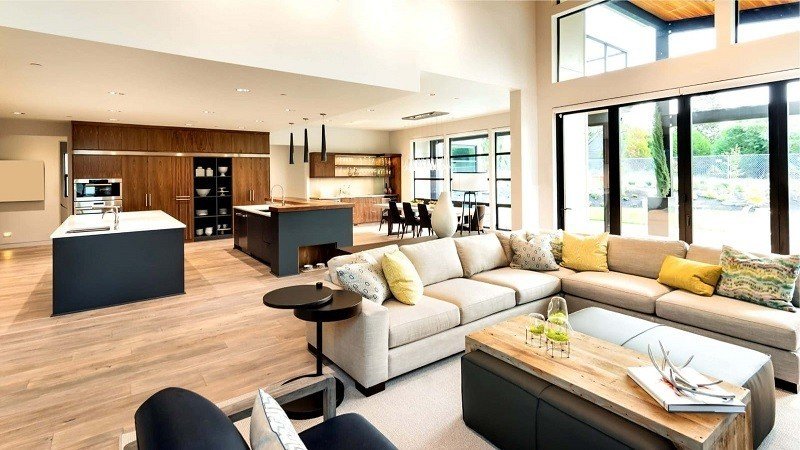
A room can look beautiful in pictures but still feel uncomfortable when you use it every day. Maybe the sofa blocks the walking space, the bedroom feels crowded, or the kitchen never seems organized. These small problems can affect how a home looks and works. Good interior design is not just about choosing attractive furniture or following the latest trends. It is about making each room comfortable, useful, and easy to maintain.Interior design designmode24 focuses on practical ways to improve living spaces through thoughtful furniture placement, suitable colors, better lighting, and smart storage. You can improve your home without spending a lot on new furniture or major renovations. Sometimes, moving a few items, changing the lighting, or clearing unnecessary clutter can make a room feel completely different.
1. Start by Understanding How You Use Each Room
Before changing your home, think about what you actually do in each space. A living room may be used for family time, watching television, reading, or welcoming guests. A bedroom should provide enough space to rest, while a kitchen needs a comfortable working arrangement.For example, if your family regularly gathers in the living room, arrange the seating so everyone can talk comfortably. Avoid placing furniture where it blocks doors or creates narrow walking paths.
- Identify the main purpose of each room.
- Remove furniture that you rarely use.
- Keep frequently used items within easy reach.
- Leave enough open space for walking.
- Arrange furniture around the room’s main activity.
Planning around everyday habits helps prevent unnecessary purchases and makes your home more functional.
2. Choose Colors That Make Your Home Feel Balanced
Colors can change the entire appearance of a room. However, using too many strong shades can make a space feel busy. A balanced color combination usually creates a more comfortable atmosphere.Start with one main color for larger areas, such as walls or major furniture. Then introduce one or two supporting shades through cushions, curtains, rugs, or decorative pieces.
For example, a living room with cream walls and a neutral sofa can look warmer with olive-green cushions and wooden accessories. You do not need to match every item exactly. The goal is to create a combination that feels connected.Before painting an entire wall, test a small sample. Natural daylight and indoor lighting can make the same shade appear different throughout the day.
3. Arrange Furniture Without Making Rooms Feel Crowded
Furniture placement is one of the easiest ways to improve an interior. Even attractive furniture can make a room uncomfortable when it is arranged poorly.In a small living room, placing a large sofa against a suitable wall may create more open space. A compact coffee table can also work better than a bulky design. In bedrooms, leave enough room around the bed so drawers, wardrobes, and doors can open easily.
- Measure the room before buying furniture.
- Check the size of sofas, beds, and tables.
- Avoid blocking windows and entrances.
- Choose furniture that suits the available space.
- Keep frequently used pathways clear.
If you are unsure about an arrangement, try moving the furniture before purchasing anything new. A different layout may solve the problem without adding extra costs.
4. Improve Lighting for a More Welcoming Interior
Good lighting can improve how a room looks and make it more comfortable to use. A space with poor lighting may feel dull, even when its furniture and colors are attractive.Use natural light whenever possible. Keep windows clear of heavy objects and choose curtains that allow daylight to enter. For the evening, combine different types of lighting according to the room’s purpose.For instance, a reading corner needs a focused lamp, while a living room may benefit from a ceiling light and a smaller table lamp. In the kitchen, brighter lighting over work surfaces makes food preparation easier.You can also make small improvements without replacing every fixture. Cleaning lampshades, changing a dark bulb, or repositioning a floor lamp can improve the overall feel of a room.
5. Smart Storage Ideas for Small Spaces
You can make a small room feel more spacious without adding extra furniture. The key is to use smart storage solutions and keep everyday belongings organized. Wall-mounted shelves, storage baskets, and boxes inside wardrobes can help save floor space. You can also choose multifunctional furniture, such as a storage bed or an ottoman with hidden space for blankets. These simple changes make your room look cleaner, more open, and clutter-free.
6. Give Every Room a Clear Purpose
Every room should be arranged to suit the activities you do there. A beautiful setup is not useful if it makes everyday tasks difficult.
Living Room
Keep the seating comfortable and arrange it around a natural gathering point. A rug can help define the seating area, while a small side table provides space for drinks, books, or other everyday items. Keep decorative items to a minimum so the room doesn’t feel crowded.
Bedroom
Prioritize comfort and a relaxing atmosphere. Choose bedding that feels pleasant, keep bedside tables organized, and avoid storing unnecessary items around the bed. Gentle lighting can create a calm and relaxing atmosphere in the evening.
Kitchen
Keep frequently used cooking items close to the areas where you need them. Organize cabinets by category and clear the countertops of things you rarely use. Even a small kitchen becomes easier to manage when everything has a proper place.
Bathroom
Use shelves, baskets, or small organizers to manage toiletries and towels. Keep the countertop as clear as possible and choose storage that can handle moisture. A tidy bathroom often feels more spacious without requiring major changes.
7. Add Personality Without Creating Clutter
A home should reflect the people who live in it. However, adding too many decorative objects can make rooms feel crowded. Instead of filling every shelf, select a few items that have personal meaning or complement the room.You might display a favorite photograph, a handmade decoration, a small plant, or a piece of artwork. These details can make a space feel personal without overwhelming its design.For example, one large wall picture can create a stronger focal point than several unrelated decorations. Similarly, a few carefully selected cushions may refresh a sofa more effectively than replacing all the furniture.
8. Refresh Your Home Without Spending Too Much
Improving your interior does not always require a large budget. Before shopping, look around your home and identify what can be reused, repaired, or rearranged.You could move a chair from one room to another, repaint an old side table, replace worn cushion covers, or organize an unused corner. These small changes can make familiar spaces feel fresh.A useful way to plan your budget is to divide improvements into three groups:
- Essential: Repairs, damaged furniture, or storage problems that affect daily use.
- Useful: Better lighting, curtains, shelves, or practical accessories.
- Optional: Artwork, decorative pieces, and trend-based updates.
9. Common Interior Design Mistakes to Avoid
Even simple decorating projects can become frustrating when basic planning is ignored. Avoid buying furniture without measuring your available space, as oversized pieces can make a room feel crowded. Instead of following every design trend, choose styles that suit your needs and budget. Make sure everyday belongings have proper storage to prevent clutter, and avoid using too many decorative accessories. Most importantly, choose furniture that offers both comfort and a good appearance so your space remains practical and attractive.
Conclusion
A comfortable home is created through small decisions that make everyday life easier. Better furniture placement, balanced colors, useful lighting, and practical storage can improve a room without requiring a complete makeover.The ideas behind interior design designmode24 show that good design is not about spending more money or filling every corner with decoration. It is about understanding your space, choosing what works, and making changes that support your routine. Start with one room, identify what needs improvement, and make a few thoughtful updates. Over time, these simple steps can help create a home that feels more organized, welcoming, and personal. Read More homedesignmode24